Your treatment plan is fully personalized, ranging from a one-time surgical advancement to multi-stage grafting for density and shape refinement. Most procedures are outpatient, performed under local or general anesthesia, with minimal visible scarring.
Our team often recommends integrating this with other facial feminization procedures to minimize recovery overlap and maximize results.
Hairline Lowering and Restoration
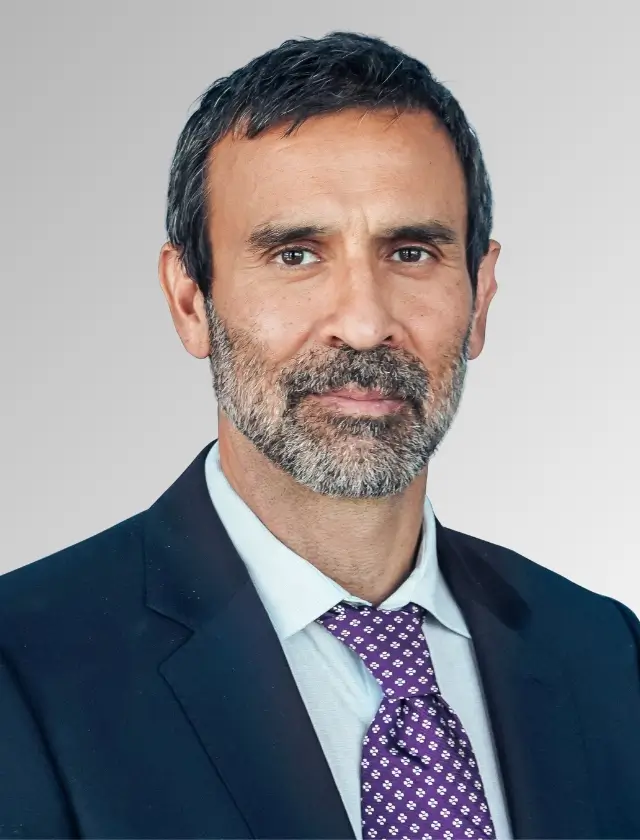
Refine your hairline and reclaim your femininity with precision hairline lowering and restoration, led by Dr. Mark Yazid.
What is Hairline Lowering and Restoration?
For many transfeminine individuals, the hairline remains one of the most visible and emotionally impactful gender markers. Feminizing hairline procedures help reshape and soften the hairline into a more rounded, traditionally feminine contour. These treatments may include surgical hairline advancement, hair restoration with SmartGraft FUE, or both, tailored to your anatomy, goals, and transition stage.
Whether you're correcting a high forehead or restoring density from hormone-related hair loss, these procedures help ensure your reflection aligns with who you truly are.
See the Difference Hairline Restoration Can Make
A refined, feminine hairline doesn't just reshape your face—it reshapes how you're seen and how you see yourself. Here's how this procedure can affirm your identity:
- Softens facial features by shortening the forehead and rounding the hairline into a traditionally feminine shape
- Reduces dysphoria tied to hairline recession or a masculine widow’s peak
- Supports social affirmation in gendered and high-visibility environments
- Pairs well with facial feminization procedures like brow lift or brow bone/ forehead surgery.
Contact Us Today
Real people. Real results.
Learn More About
Life After Transformation.
What to Expect
During the Procedure
Your treatment plan is fully personalized, ranging from a one-time surgical advancement to multi-stage grafting for density and shape refinement. Most procedures are outpatient, performed under local or general anesthesia, with minimal visible scarring.
Our team often recommends integrating this with other facial feminization procedures to minimize recovery overlap and maximize results.
Risks and Recovery
You can expect initial swelling and scabbing in the first 7–10 days. Most patients return to work within a week, with visible new hair growth beginning around 3–6 months. Final results may take 12–18 months, depending on your hair cycle. Risks like temporary numbness or graft shedding are rare and minimized by our expert care.
Contact Us Today
See The Results
REAL PEOPLE. REAL STORIES.
Learn More About
Life After Transformation.
What to Expect
During the Procedure
Risks and Recovery
You can expect initial swelling and scabbing in the first 7–10 days. Most patients return to work within a week or two, with visible new hair growth beginning around 3–6 months. Final results may take 12–18 months, depending on your hair cycle. Risks like temporary numbness or graft shedding are rare and minimized by our expert care.
Your Care Team, Matched To Your Goals
Every hairline is planned around what you want to achieve. Depending on your goals, your care may involve surgical reshaping of the hairline, restoration that rebuilds density, follicle by follicle, or a combination of both. We pair you with the right surgeon for the approach that fits.
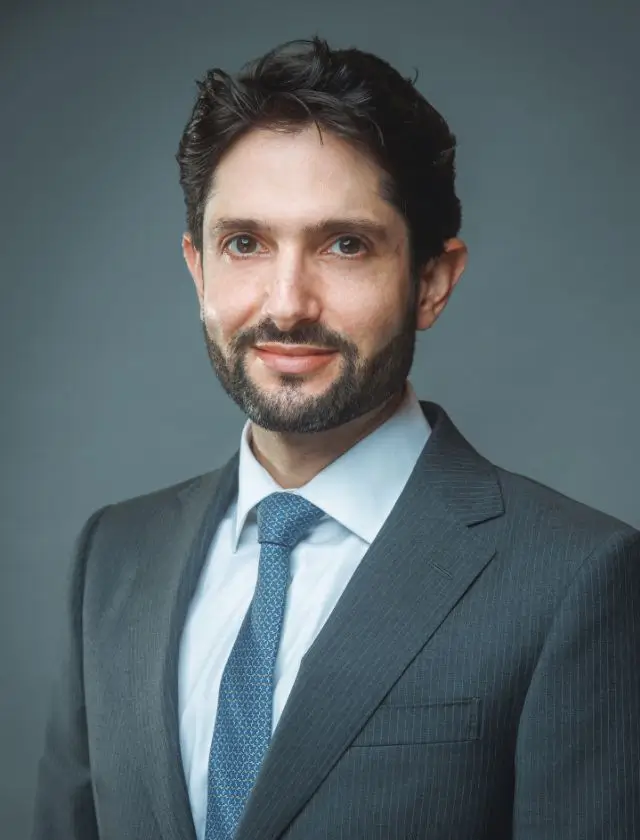
Dr. Mark Yazid leads our hair restoration program, using SmartGraft FUE to rebuild and refine the hairline, and also performs surgical hairline procedures. Dr. Sean Herman and Dr. Reza Jarrahy specialize in the surgical hairline procedures that reposition and reshape the hairline.
The Surgeons Who Stand With You
Planning For Surgery
Travel and Accommodations
We accept patients from all over and partner with local hotels to support out-of-state patients. Contact us to set up a plan for your visit.
Insurance and Financial Planning
Many insurance plans may cover hair restoration as part of a transition plan. Our navigators will help you verify coverage and understand your financing options.
Additional Resources
Looking for more information? Visit our Patient Resource Center for recovery checklists, videos, and community referrals.
Contact Us Today
Frequently Asked Questions
Does hairline feminization surgery leave visible scars?
Most hairline advancement incisions are placed within or just behind the natural hairline and heal discreetly. Over time, scars usually fade and are easily concealed by hair regrowth or grafting. We also offer laser scar treatments for enhanced healing.
Can I combine hairline lowering with facial feminization surgery (FFS)?
Yes. Many patients choose to bundle hairline feminization with procedures like brow lift, brow bone surgery, and orbital contouring. Combining procedures reduces overall downtime and anesthesia exposure while enhancing facial harmony.
Is hairline lowering the same as forehead reduction?
Not quite. While hairline lowering often reduces forehead height, it can also reshape the forward-facing hairline pattern. For transfeminine patients, the goal is a soft, rounded shape that complements other facial feminization features, not just a lower hairline. A forehead skin reduction may or may not address these aspects of the hairline.
What’s the difference between lowering and a transplant?
Hairline lowering surgically advances the scalp to shorten the forehead, while a hair transplant uses grafts to reshape the hairline and fill areas of recession or thinning. For transplants, we use SmartGraft, an automated FUE system that protects follicle health for natural, lasting density. Many patients benefit from a combination.
Am I a candidate for transfeminine hairline restoration?
If you're experiencing hairline recession, a high forehead, or dysphoria related to scalp hair patterns, you may be a candidate. A consult will assess scalp elasticity, hair line, and hair density, and transition goals to determine the best approach.