Hairline Restoration & Masculinization

Refine, reshape, and restore your hairline to support a stronger, more masculine frame, led by Dr. Mark Yazid.

TCGA - Hairline Lowering & Restoration (FtM) - Banner

What Is Hairline Restoration & Masculinization?

For many gender non-conforming and transmasculine individuals, the hairline can be one of the most visible gender cues, and one of the most personal to change. Hairline restoration and masculinization reshapes the hairline into a higher, more angular contour and rebuilds density where hair has thinned, creating a stronger frame for the upper face. Depending on your anatomy and goals, your plan may include hair restoration with SmartGraft FUE (placing individual follicles at the precise angle and depth that define a natural hairline), surgical reshaping of the hairline, supportive medical therapy, or a combination.

Whether you're re-establishing a defined M-shape or restoring hair lost to testosterone-related thinning, the goal is the same: a hairline that looks and feels like you.


See the Difference Hairline Restoration Can Make

A strong hairline does more than frame your face: it sharpens your features and reinforces a more masculine or androgynous silhouette. Here's how hairline restoration can affirm and empower:

  • Enhances facial harmony by strengthening masculine features
  • Can also include brow and/or beard hair restoration
  • Reshapes the hairline to better align with gender identity
  • Supports social affirmation, especially in gendered spaces
  • Complements other procedures, such as brow contouring or facial masculinization surgery (FMS)

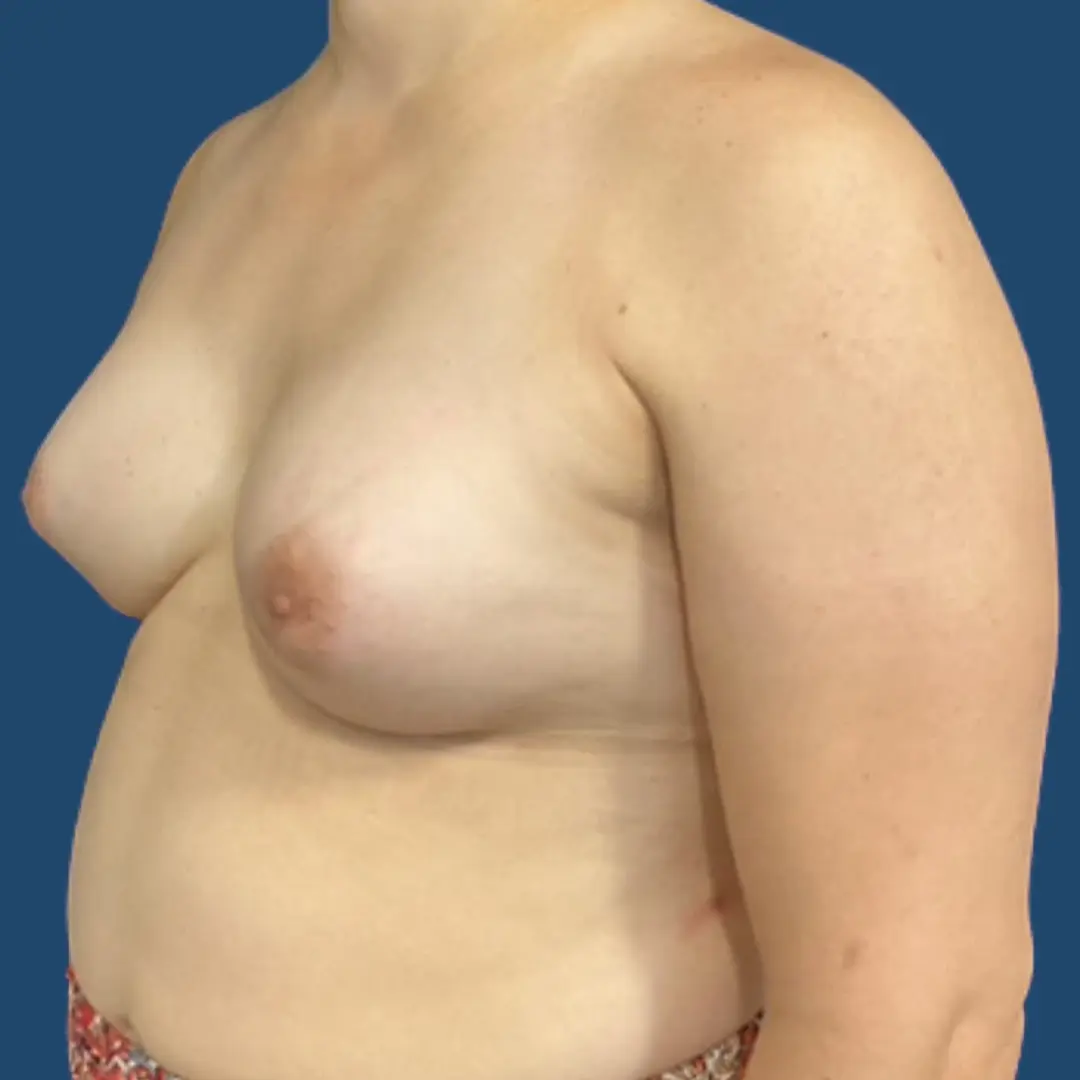
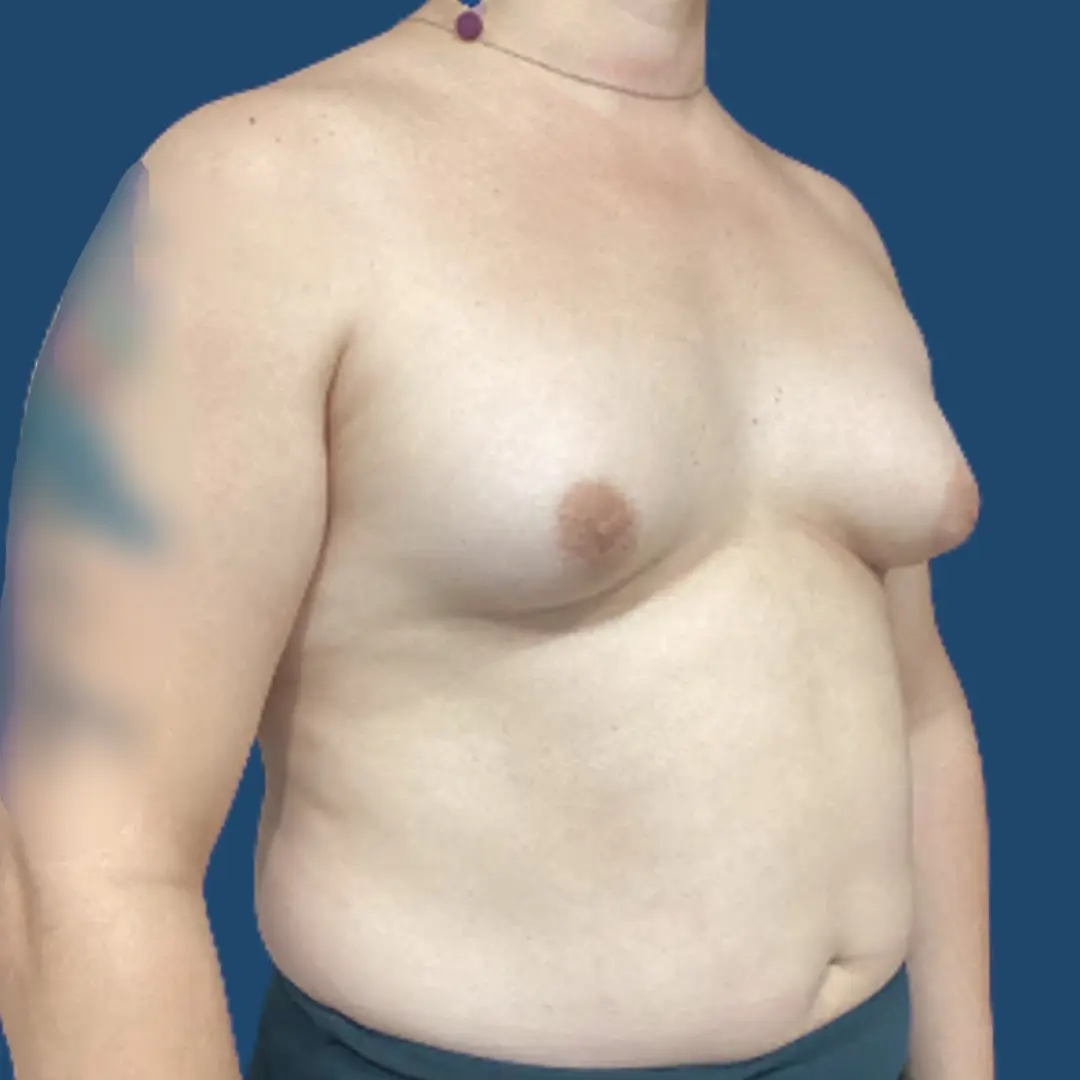
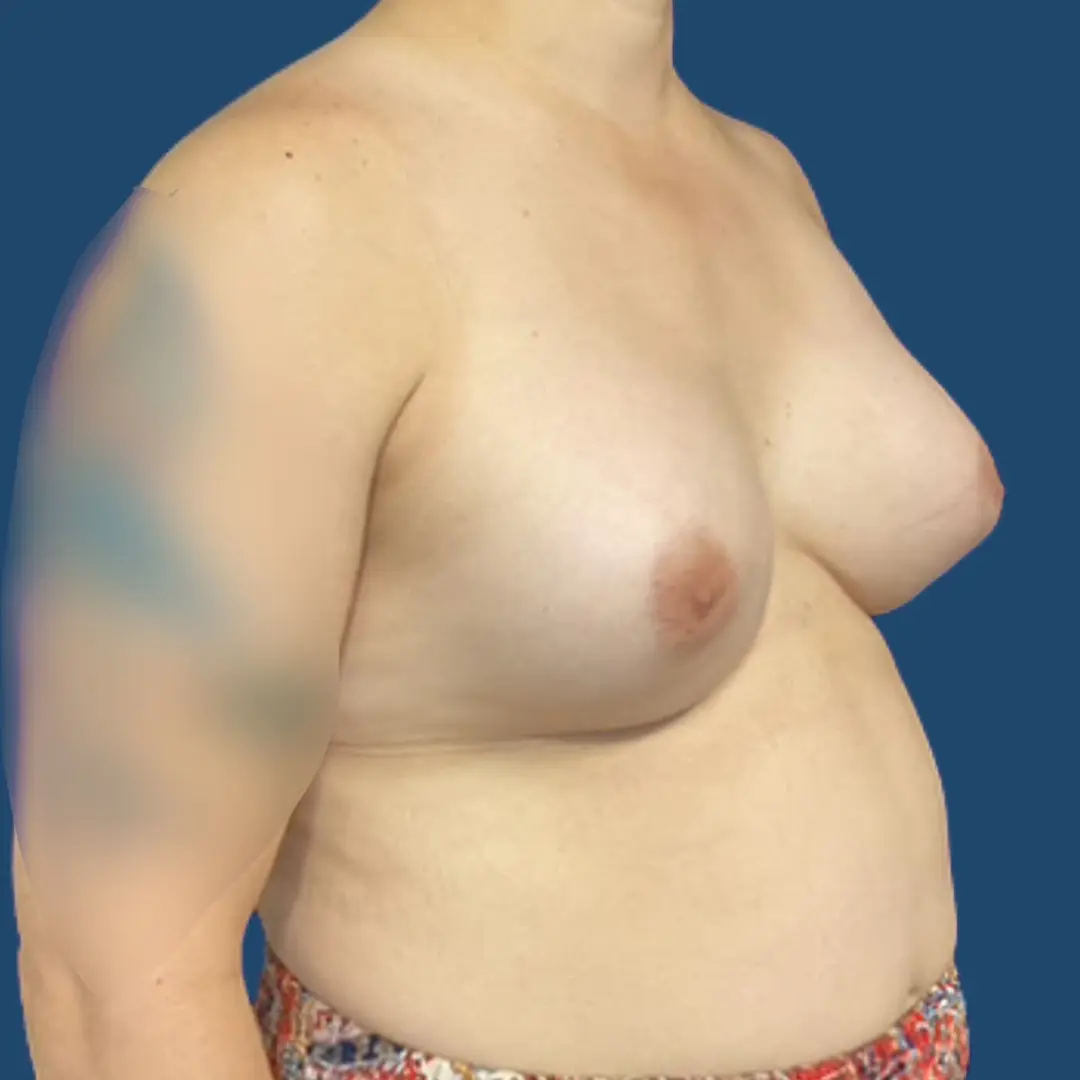
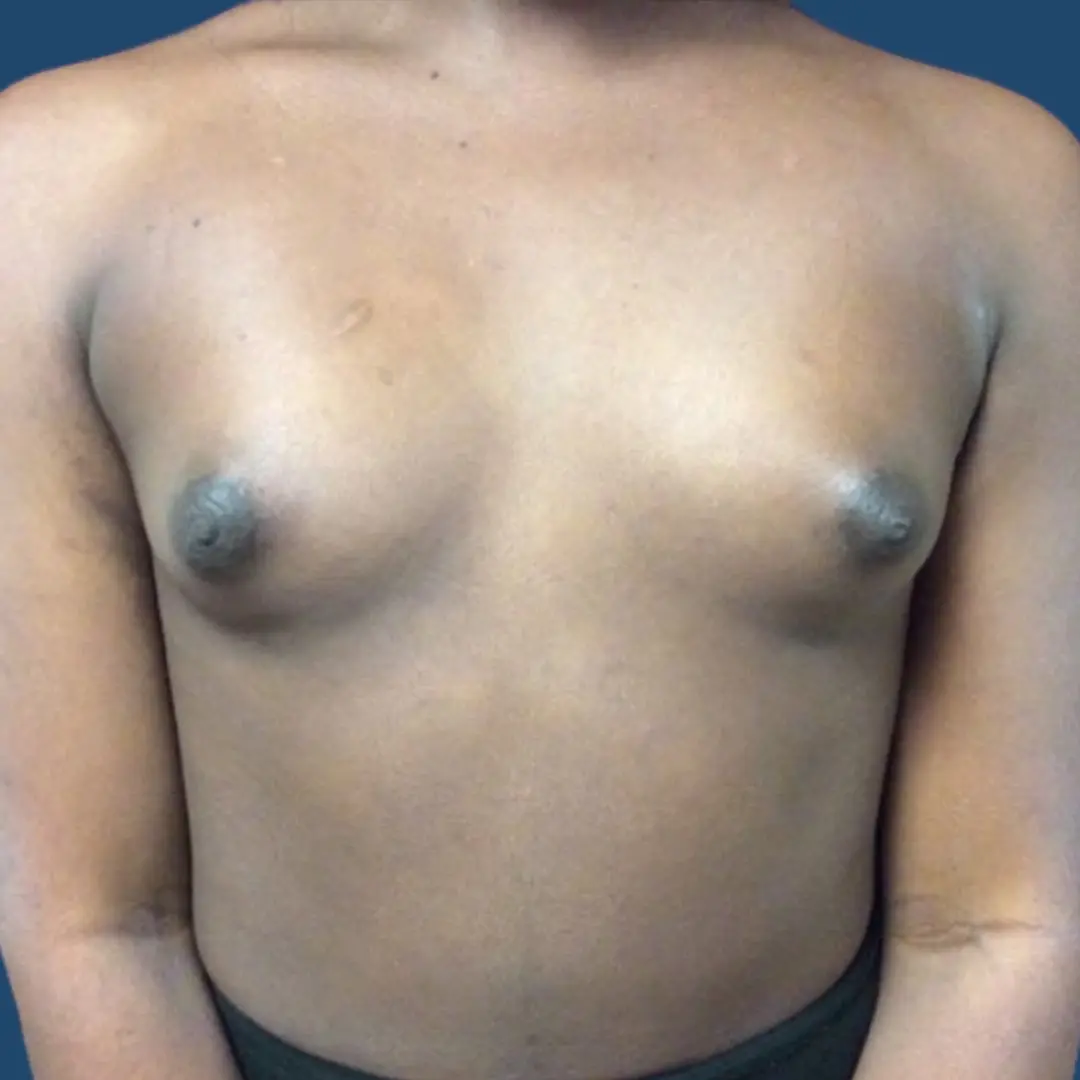
Real people. Real results.

Learn More About 
Life After Transformation.

What to Expect

During the Procedure
Your surgical plan will be customized to your unique needs—ranging from a single-stage hairline advancement to multi-session follicular unit grafting. Most procedures are outpatient, performed under local or general anesthesia, with minimal scarring and downtime. Our team may recommend this in conjunction with FMS for optimal results and fewer recovery windows.


Risks and Recovery
Post-procedure swelling, scabbing, and mild discomfort are normal in the first 7–10 days. Most patients return to work within one week and see initial hair growth within 3–6 months. Depending on your hair cycle, final results can take up to 12–18 months. Risks include temporary numbness, minor scarring, or graft shedding—but these are rare under our experienced care.

REAL PEOPLE. REAL STORIES.

Learn More About 
Life After Transformation.

What to Expect

tcga-icon
During the Procedure

Your surgical plan is customized to your goals, from surgical reshaping of the hairline to multi-session grafting with SmartGraft FUE, which harvests and places individual follicles with no linear scar. Most procedures are outpatient, performed under local or general anesthesia, with minimal downtime. Our team may recommend pairing your hairline work with facial masculinization surgery (FMS) for optimal results and fewer recovery windows.

tcga-icon
Risks and Recovery

Post-procedure swelling, scabbing, and mild discomfort are normal in the first 7–10 days. Most patients return to work within one week and see initial hair growth within 3–6 months. Depending on your hair cycle, final results can take up to 12–18 months. Risks include temporary numbness, minor scarring, or graft shedding—but these are rare under our experienced care.

tcga-icon
Your Care Team, Matched To Your Goals

Every hairline is planned around what you want to achieve. Depending on your goals, your care may involve surgical reshaping of the hairline, restoration that rebuilds density, follicle by follicle, or a combination of both. We pair you with the right surgeon for the approach that fits.

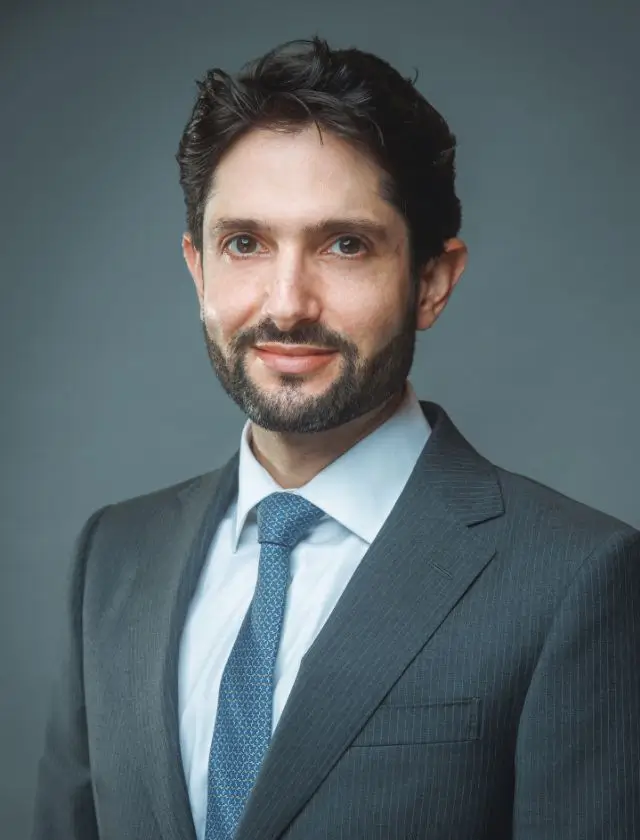
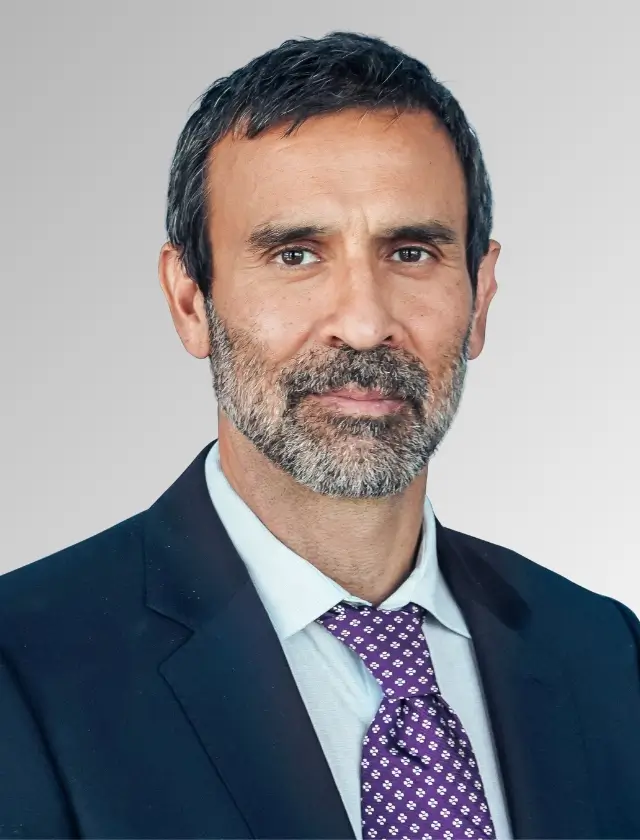
Dr. Mark Yazid leads our hair restoration program, using SmartGraft FUE to rebuild and refine the hairline, and also performs surgical hairline procedures. Dr. Sean Herman and Dr. Reza Jarrahy specialize in the surgical hairline procedures that reposition and reshape the hairline. 

Planning for Surgery

Travel and Accommodations 
We partner with local hotels and provide support for out-of-state patients. Contact us to set up a plan for your visit.

Insurance and Financial Planning
Many insurance plans cover hair restoration as part of a transition plan. Our navigators will help you verify coverage and understand your financing options.

Additional Resources
Looking for more information? Visit our Patient Resource Center for recovery checklists, videos, and community referrals.

Contact Us Today

TCGA - Hairline Lowering & Restoration (FtM) - Ready to take the next step

Ready to Take the Next Step?

Frequently Asked Questions

How does hairline restoration masculinize the hairline?

Rather than lowering the hairline, we reshape it into a more angular, defined contour, often re-establishing a masculine shape, and restore density where testosterone has caused thinning. 

How does the hair restoration procedure work?

We use SmartGraft, an automated FUE (follicular unit extraction) system. Individual follicles are harvested from a donor area, protected in a temperature-controlled bio-dome, and placed one at a time to reshape your hairline and build density, with no linear scar and results that blend naturally with your existing hair.

Am I a candidate for hairline restoration?

Ideal candidates are transmasculine or non-binary individuals seeking a more masculine hairline, who are in good general health and have realistic expectations. If you've experienced hair loss due to testosterone or have a naturally rounded hairline, our team can assess whether grafting, supportive medical therapy, or a combination is right for you.

Will I lose sensation or mobility in my scalp?

Some temporary numbness or tightness in the forehead area is common after surgery, but this usually improves within weeks to months. Our surgical techniques aim to preserve nerve pathways and minimize long-term effects on sensation or scalp mobility.

How soon will I see results from hair grafting?

Hair grafts typically shed within the first 2–4 weeks post-op, which is normal and part of the cycle. Regrowth usually begins around 3–6 months, with fuller results developing over 9–12 months. Patients often see continued improvement up to 18 months after surgery.

Is hair restoration covered by insurance?

Coverage varies by provider and policy. Because hairline surgery can play a key role in alleviating gender incongruence, many insurers will consider it medically necessary if supported by clinical documentation. Our patient navigators are here to help you with pre-approvals, appeals, and financial planning.

Can this be done at the same time as facial masculinization surgery?

Yes. In fact, many patients choose to bundle hairline work with procedures like brow bone contouring or jawline reshaping. Combining surgeries can reduce overall recovery time and produce more harmonious results.